
Caribbean Sailing with an American Connection
The US Virgin Islands offer a rewarding combination of tropical island scenery, sheltered bays, beautiful beaches and well-established yacht charter facilities. Situated immediately west of the British Virgin Islands, they provide an excellent base for exploring some of the Caribbean's most appealing cruising waters.
The principal islands are St Thomas, St John and St Croix, each with its own character. St Thomas is the main centre for yacht charters, with convenient air connections, marinas and provisioning facilities. Neighbouring St John is a particularly attractive cruising destination, with much of the island protected within the Virgin Islands National Park. St Croix lies further south, offering a different experience for those with more time and an appetite for longer passages.
For many visitors, the greatest appeal is the opportunity to combine enjoyable sailing with relaxed days exploring the islands. Distances between St Thomas and St John are relatively short, allowing plenty of time for swimming, snorkelling, going ashore and simply enjoying life aboard.
A Choice of Sailing Experiences
The US Virgin Islands cater for a variety of charter preferences, from bareboat sailing holidays to yachts with professional skippers and fully crewed luxury charters.
Sailing catamarans are particularly popular, offering comfortable accommodation, generous outdoor living areas and shallow draught for exploring the islands' many bays. Monohulls remain an attractive choice for those who enjoy a more traditional sailing experience, while selected motor yachts and fully crewed vessels provide further options.
St Thomas is also conveniently situated for exploring the neighbouring British Virgin Islands. However, not every USVI-based charter yacht is permitted to enter BVI waters, and additional clearance procedures and charges may apply. For some visitors, a charter based directly in the BVI will be the more practical choice.
More Than a Sailing Holiday
A yacht charter offers an excellent way to appreciate the natural beauty and varied character of these islands. St John's protected landscapes, walking trails and historic sites provide plenty of reasons to venture ashore, while St Thomas combines attractive anchorages with restaurants, shopping and lively waterfront communities.
The islands' history adds another dimension. Once part of the Danish West Indies, the US Virgin Islands retain reminders of their colonial past alongside a distinctive Caribbean culture.
Whether planning a relaxed week around St Thomas and St John or considering a longer itinerary, the US Virgin Islands offer considerable flexibility.
At Sail Connections we will compare suitable yachts and departure bases to help you make the most of your available charter time.


Discovering the US Virgin Islands by Yacht
The US Virgin Islands lie east of Puerto Rico and immediately west of the British Virgin Islands. Their three principal islands, St Thomas, St John and St Croix, offer contrasting cruising experiences, although most yacht charter itineraries concentrate on the first two.
The prevailing easterly trade winds, relatively short passages and numerous bays make this an appealing cruising area. Conditions vary with the season and exposure, particularly when sailing beyond the more sheltered waters.
St Thomas: The Main Charter Base
St Thomas is the principal arrival point for visitors and the centre of the USVI yacht charter industry. Cyril E. King Airport receives flights from the United States and regional Caribbean connections.
Charter operations are concentrated around the island's eastern and southern shores, with facilities including Compass Point Marina and American Yacht Harbor at Red Hook. The precise departure base depends on the yacht and operator selected.
Charlotte Amalie, the territorial capital, occupies a large natural harbour on the island's southern coast. Its historic streets, shops and waterfront provide an interesting contrast to the quieter anchorages elsewhere around St Thomas.
To the east, the waters around Great St James and the neighbouring islands offer attractive opportunities for shorter passages, swimming and snorkelling.
St John: The Highlight of a USVI Cruise
A short sail east of St Thomas brings you to St John, where much of the island is protected within the Virgin Islands National Park.
The island's northern coast is particularly beautiful, with bays such as Caneel Bay, Hawksnest Bay, Trunk Bay, Cinnamon Bay and Maho Bay. White sandy beaches, wooded hillsides and clear water make this one of the most appealing parts of the Virgin Islands for cruising.
National Park Service mooring buoys are provided in many popular bays, subject to local regulations, availability and fees. Anchoring restrictions protect sensitive seabed habitats, so charterers should follow the current guidance for each location.
Cruz Bay, on the western side of St John, is the island's principal town and ferry port. Further east, Coral Bay provides a quieter setting and access to the less developed eastern end of the island.
A week spent exploring St Thomas and St John can be very satisfying without the need to cross an international boundary.
St Croix: A Longer Passage
St Croix lies approximately 35 nautical miles south of St Thomas, separated from the northern islands by open Caribbean waters.
The passage is more exposed than the shorter inter-island sailing around St Thomas and St John. It is therefore better suited to experienced sailors, suitable weather conditions and charters that specifically permit the voyage.
Christiansted, on the northern coast, is a historic waterfront town with Danish colonial architecture, restaurants and nearby marine attractions. St Croix also offers opportunities to explore a less frequently visited side of the US Virgin Islands.
For most one-week charters, St Croix is best regarded as an optional extension rather than an essential stop.
Cruising Beyond the US Virgin Islands
The neighbouring British Virgin Islands are close enough to make combined itineraries attractive, particularly for longer charters. Tortola, Norman Island, Jost Van Dyke and the other BVI cruising grounds provide many additional possibilities.
However, permission to enter BVI waters must be confirmed with the charter operator before booking. Some USVI-based yachts are restricted to US waters, while others may be approved for international cruising subject to immigration, customs and charter regulations.
To the west, the Spanish Virgin Islands of Culebra and Vieques offer another possible cruising direction. These islands are part of Puerto Rico, but charter permissions and operating limits still need to be checked.
For visitors primarily interested in the British or Spanish Virgin Islands, choosing a departure base closer to the intended cruising area may make better use of the available time.
Sailing Conditions and Seasons
The principal Caribbean yacht charter season runs from December through April, when the northeast and easterly trade winds are generally well established. Temperatures are warm and sailing conditions are often excellent, although stronger winds and northerly swells can affect exposed anchorages during winter.
May and June can provide pleasant sailing with fewer visitors, while the summer and autumn months bring greater heat, variable weather and increased tropical storm risk.
The Atlantic hurricane season officially runs from June through November, with the greatest risk generally occurring from August to October. Charter availability and operating arrangements may be restricted during this period.
Planning Your USVI Charter
Most charters begin and end on St Thomas, with itineraries tailored to the yacht, available time and experience of the crew.
A typical seven-night holiday can comfortably concentrate on St Thomas and St John, with several opportunities to explore different bays and spend time ashore.
Those considering St Croix, the British Virgin Islands or the Spanish Virgin Islands should discuss their plans before selecting a yacht, as operating restrictions and sailing distances may influence the best departure point.
The US Virgin Islands use the US dollar, and US immigration requirements apply. Visitors should check the appropriate entry arrangements for their nationality, particularly when planning to cross between
The map below has been produced using internet tools and pin placements may not be exact. It is intended as a rough a guide. For further research and preparing itineraries, we suggest you refer to quality on-line maps and charts.
Are there mooring buoys and anchoring restrictions around St John?
Yes. Many popular bays around St John have designated mooring buoys, particularly within the Virgin Islands National Park. Anchoring is restricted in sensitive areas to protect coral reefs and seagrass. Mooring availability, fees and permitted use vary, so charterers should follow current National Park Service guidance and their operator's instructions.
Should I start my Virgin Islands charter from St Thomas, Tortola or Puerto Rico?
The best departure point depends on where you want to sail. St Thomas is ideal for exploring the US Virgin Islands, Tortola is generally more convenient for the British Virgin Islands and Puerto Rico offers access to the Spanish Virgin Islands. Flight connections, yacht availability and cruising permissions should also influence your choice.
When is the best time to charter in the Virgin Islands?
December to April is the principal yacht charter season in the Virgin Islands, with warm weather and generally reliable trade winds. May and June can also be attractive, with fewer visitors. The Atlantic hurricane season runs from June to November, making late summer and autumn less suitable for charter holidays.
What are the sailing conditions like in the Virgin Islands?
The Virgin Islands offer some of the Caribbean's most enjoyable sailing, with generally reliable easterly trade winds, warm temperatures and relatively short passages between islands. Much of the cruising is in sheltered waters, although stronger winds, Atlantic swells and exposed passages can present challenges. Conditions are generally suitable for competent recreational sailors.
Is one week enough for a yacht charter in the US Virgin Islands?
One week is an excellent length of time for a US Virgin Islands yacht charter, particularly when concentrating on St Thomas and St John. The relatively short sailing distances allow plenty of time for beaches, snorkelling and exploring ashore. Longer itineraries are worthwhile if you wish to visit more distant islands.
Can I visit the Spanish Virgin Islands on a charter from St Thomas?
Some charter yachts based on St Thomas are permitted to visit Culebra and Vieques in the Spanish Virgin Islands, which form part of Puerto Rico. However, operating restrictions vary between companies. If these islands are your main destination, a charter departing from eastern Puerto Rico may be more convenient.
What entry documents do I need for a US Virgin Islands yacht charter?
The US Virgin Islands are a US territory, so visitors must meet the applicable US immigration requirements. Non-US travellers generally need a valid passport and appropriate visa or visa waiver authorisation. Requirements may differ when arriving by private yacht or crossing to the British Virgin Islands, so check arrangements before travelling.
Do I need a sailing qualification to charter bareboat in the US Virgin Islands?
Formal sailing certificates are not generally mandatory for a recreational bareboat charter in the US Virgin Islands, but operators require evidence of suitable sailing experience. You will normally complete a sailing résumé describing your previous yacht handling, navigation and skippering experience. A professional skipper can be arranged if required.
Can I sail between the US and British Virgin Islands on a USVI charter?
Yes, you can sail between the US Virgin Islands and British Virgin Islands (BVIs), but there are important legal and logistical considerations. Not all charter boats based in the USVI are licensed to enter BVI waters.
What types of yachts are available for charter in the US Virgin Islands?
The US Virgin Islands offer bareboat sailing monohulls, sailing catamarans and selected motor yachts, along with skippered and fully crewed charter options. Catamarans are especially popular for their space and comfort. The best choice depends on your sailing experience, group size, preferred level of service and budget.
Browse our yachts for charter in US Virgin Islands
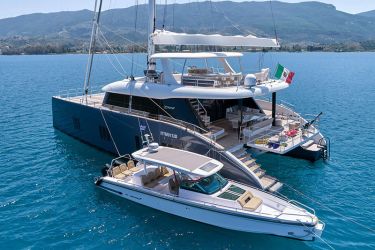


For a personal proposal structured to meet your needs, with advice on all aspects of your sailing charter ...
Related Blog Posts
-

Sailing Between US VI, British VI and Spanish VI
Step-by-step guide to current regulations for sailing between the British Virgin Islands and US Virgin Islands, and the US Virgin Islands and Spanish Virgin Islands.
-

The Virgin Islands: Who, What, Where?
Putting the Spanish Virgin islands, US Virgin Islands and British Virgin Islands in context for charter sailing. An extensive group of islands all attractive sailboat vacation options when chartering in the Caribbean. In fact very attractive, when considering the choice of beautiful places to visit and the ease of getting there.
The Sail Connections Guarantee
One contact - every option - advice you can trust - at no extra cost.
- Matching any competitive offer like for like
- Sourcing boats with discounts available
- Personalising our proposal just for you
- Qualifying the operator as well as the boat
- Advising without bias based on over 30 years' experience
We will match any like-for-like discount website offer on charter boat price, while maintaining our customary high level of service.
Get in Touch